Enhanced Longevity
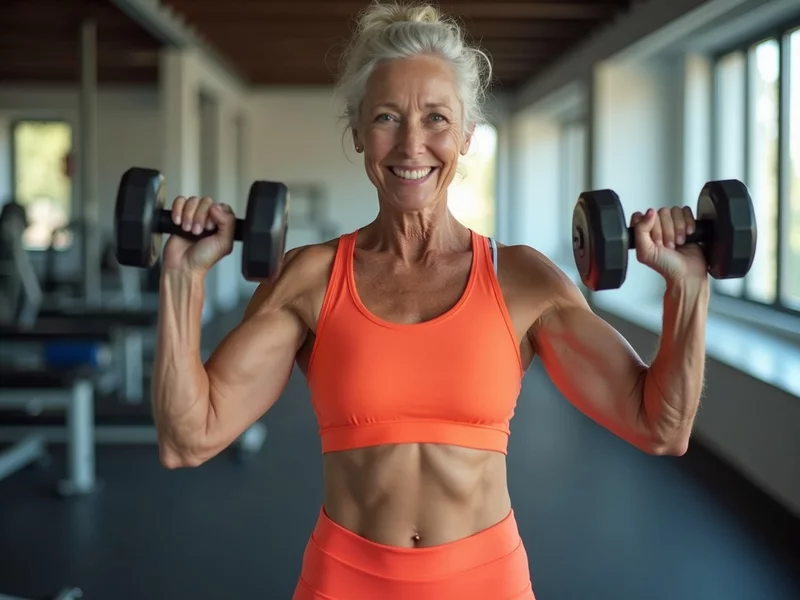
Strength training is linked to a longer, healthier life. Studies show higher strength levels correlate with lower early mortality risks.
As we venture into our later years, the importance of maintaining physical health becomes increasingly evident. Research indicates that engaging in strength training not only enhances longevity but also improves overall quality of life—especially for women over 50. This transformative exercise is not just for bodybuilders; it’s a crucial element for empowering ourselves during this chapter of life.
Strength training offers numerous advantages for women, especially those in midlife. Below are some key benefits along with their associated statistics.
Strength training is linked to a longer, healthier life. Studies show higher strength levels correlate with lower early mortality risks.
Regular strength training helps combat muscle loss that occurs with age, reversing the effects of sarcopenia.
Resistance training is crucial for maintaining bone density and preventing osteoporosis, especially post-menopause.
Strength training enhances insulin sensitivity and aids in weight control, reducing the risk of chronic diseases.
Engaging in strength training can improve heart health and assist in weight management.
Strength training enhances stability and functional fitness, crucial for fall prevention as we age.
Regular strength training may reduce the risks of cognitive decline, including conditions like Alzheimer’s.
As we age, our bodies go through numerous changes, and *strength training* becomes an essential component to maintaining our health. For women over 50, the challenges posed by hormonal shifts, muscle loss, and bone density decline can feel overwhelming. However, embracing strength training not only combats these effects but also empowers us to lead healthier, more active lives. It's time to understand why this form of exercise is so crucial during this transformative phase of life! If you're looking for more ways to stay active through various life changes, explore our insights on staying active through midlife changes.
Strength training is vital for older women for several reasons. First and foremost, it addresses the common health challenges we face, such as **osteoporosis**, *sarcopenia*, and decreased mobility. These issues can lead to a diminished quality of life, but incorporating resistance exercises helps combat these obstacles. In my experience with clients at Empower Midlife Health, I've seen how uplifting it is to reclaim strength and vitality through targeted workouts!
Another reason we need to focus on strength training is that it enhances our overall well-being. The physical changes that accompany menopause can often lead to feelings of frustration and sadness. By developing a consistent strength training routine, we not only improve our physical health but also boost our mental health. This holistic approach allows us to embrace this stage of life with *confidence* and *grace*.
Research shows that maintaining muscle strength is linked to increased longevity. A study revealed that older adults with higher levels of strength have a lower risk of early mortality. Isn’t that fantastic? By incorporating strength training into our routines, we’re actively investing in a longer, healthier life!
Moreover, the benefits extend beyond just longevity. With a regular strength training regimen, we can improve our overall quality of life. This means staying active, engaging in hobbies, and spending time with loved ones. Each workout is a step toward living our best lives!
Sarcopenia is a condition characterized by the gradual loss of muscle mass and strength, often experienced by older adults. It's a serious concern, but the good news is that strength training can help *prevent* and even *reverse* this process! By engaging in resistance exercises, we stimulate muscle growth and combat the effects of aging. For more on this, consider reading about strength training for midlife women.
To effectively address sarcopenia, I recommend focusing on compound movements that engage multiple muscle groups. For example, exercises like squats, deadlifts, and bench presses are fantastic choices. These movements not only build strength but also improve functional fitness, making daily activities easier!
Did you know that up to 20% of bone density can be lost in the first few years after menopause? That's why *strength training* is essential for maintaining bone health and preventing osteoporosis. By applying stress to our bones through resistance exercises, we stimulate bone remodeling, ultimately increasing bone density.
At Empower Midlife Health, we emphasize the importance of building strong bones through strength training. It’s empowering to know that we have the ability to protect our bodies and maintain our independence!
Strength training also plays a significant role in *improving metabolic health*. It enhances insulin sensitivity, aids in weight control, and decreases the risk of chronic diseases such as diabetes and heart disease. Isn’t that a win-win? Regular workouts can help us feel more energetic and in control of our health!
Consider incorporating strength training into your routine to experience these benefits firsthand. The positive impact on your metabolism will not only help with weight management but also make daily activities feel easier and more enjoyable. You can find more information on workout routines for menopause weight management.
Engaging in strength training has profound effects on our cardiovascular health. Studies have shown that it can lower blood pressure, improve cholesterol levels, and reduce the risk of heart disease. By combining strength training with cardiovascular exercise, we create a well-rounded fitness regimen that promotes overall heart health.
With the right approach, you can significantly improve your cardiovascular health while becoming a stronger, more resilient version of yourself!
Strength training is a game changer when it comes to enhancing mobility and balance. As we age, falls can become a major concern, but strength training helps reduce this risk. By increasing strength in our legs, core, and upper body, we enhance our stability and functional fitness. For more tips on improving mobility, consider exploring hormonal shifts and midlife activity.
Incorporating exercises that focus on balance and coordination is vital. Think about activities like single-leg stands, balance beams, or even yoga. These not only strengthen our muscles but also improve our overall balance—making everyday tasks feel more manageable!
Did you know that strength training can benefit your brain health, too? Studies have revealed a link between engaging in resistance training and a reduced risk of cognitive decline, including disorders like Alzheimer’s and dementia. That’s right—lifting weights can help keep our minds sharp!
When we engage in strength training, we increase blood flow to the brain, promoting better cognitive function. This means that not only are we improving our physical health, but we’re also nurturing our mental well-being!
To reap the benefits of strength training, I recommend aiming for at least **two sessions per week**. This frequency allows your body to recover and adapt effectively. A well-structured program should include a mix of exercises targeting all major muscle groups. Remember, consistency is essential!
By sticking to a regular schedule, you’ll build strength and confidence over time!
Starting a strength training routine can feel daunting, but it doesn’t have to be! Here are some safe exercises that are perfect for beginners:
As you become more comfortable with these exercises, consider increasing the resistance gradually. Remember, *progress* is key. Listen to your body and make modifications as needed!
Nutrition plays a crucial role in maximizing the benefits of strength training. Adequate protein intake is essential for muscle repair and growth. Aim to incorporate a variety of protein sources into your meals:
Pairing your workouts with proper nutrition will not only enhance your performance but also aid in recovery. It’s all about fueling your body for success!
Many women express concerns about strength training, fearing that lifting weights will lead to unwanted bulkiness. However, this is a common misconception! In fact, strength training can help tone and sculpt your body, enhancing your overall appearance and confidence.
At Empower Midlife Health, I encourage women to embrace strength training as a means of empowerment. It’s not just about aesthetics; it’s about feeling strong and capable in your own skin!
While strength training has numerous benefits, it’s essential to approach it safely. Some individuals may have contraindications due to certain medical conditions or injuries. Always consult with a healthcare professional before starting a new exercise program.
When practiced safely, strength training can be a transformative experience!
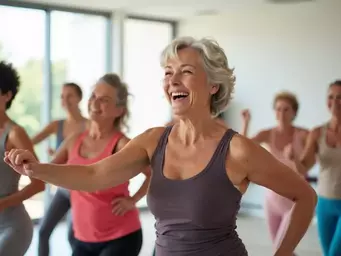
Establishing a consistent strength training routine is key to enjoying the long-term benefits. One way to stay committed is by joining community centers or group classes. Surrounding yourself with like-minded women can enhance motivation and make exercising more enjoyable!
Consider setting realistic goals and tracking your progress. Celebrate small victories along the way, and remember that every step you take is a step toward a stronger and healthier you!
To assist you further, I recommend looking for visual aids such as charts comparing the benefits of strength training to cardio. Additionally, online resources offer video demonstrations of various strength training exercises tailored for older women. These tools can enhance your understanding and confidence as you embark on your strength training journey.
Here's a brief recap of the key points discussed so far:
As we've explored, strength training offers an array of vital benefits for women's health, especially for those of us navigating the midlife phase. From enhancing longevity to improving metabolic health, these advantages are not just numbers on a chart; they represent a pathway to a healthier, more vibrant life. Remember, *embracing strength training can be a game-changer* as we age, supporting both our physical and mental well-being.
Here’s a quick recap of the key benefits we've discussed:
Are you feeling inspired to start your strength training journey? It’s never too late to begin! Whether you’re a complete beginner or looking to get back into the routine, engaging in strength training can significantly impact your quality of life during midlife. As I often tell my clients at Empower Midlife Health, *the most important step is to simply start*. Picture yourself lifting weights not only as a workout but as a celebration of your strength and resilience!
To help you along the way, I encourage you to:
To support your strength training journey, I recommend exploring some credible resources that offer valuable insights and guidance. Here are a few you might find helpful:
At Empower Midlife Health, we’re committed to providing you with the tools and knowledge necessary to thrive in this phase of life. If you have questions or want to connect with others on a similar journey, don’t hesitate to reach out—together, we can forge a path toward health, strength, and empowerment!
Here is a quick recap of the important points discussed in the article:
As a passionate advocate for midlife women's health, I specialize in the powerful connection between exercise and menopause management. With a background in exercise physiology and over a decade of fitness coaching, I’m here to empower you to embrace movement as a vital tool for navigating hormonal changes with confidence and strength. My holistic approach combines evidence-based practices with practical strategies, helping you rediscover your vitality during this transformative phase.