Embrace Confidence: Exercise in Menopause

As women navigate the transition of menopause, they often confront not just physical changes, but also profound shifts in body image and self-esteem. Understanding this connection can empower women to reclaim their confidence during this transformative phase.
What You Will Learn
- Menopause is a natural life stage that can significantly impact self-esteem due to physical and hormonal changes.
- Common effects of menopause on body confidence include weight fluctuations, mood swings, and societal perceptions of aging.
- Regular physical activity, a balanced diet, and stress management techniques can help mitigate hormonal and emotional symptoms.
- Building body confidence during menopause involves embracing unique changes, setting realistic fitness goals, and fostering a supportive community.
- Non-drug interventions, such as exercise and mindfulness, play a crucial role in enhancing quality of life during menopause.
- Nutrition is key; incorporating calcium, fiber, and healthy fats can support both physical health and hormonal balance.
- Engaging with community support can transform the menopausal experience, fostering strength and shared understanding among women.
Impact of Menopause on Self-Esteem and Body Confidence
Understanding how menopause affects self-esteem is crucial for women navigating this life change.
Physical Changes
Weight gain and skin elasticity loss can significantly affect self-image.
Hormonal Fluctuations
Changes in estrogen and progesterone levels lead to mood swings and anxiety.
Social Pressures
Feelings of invisibility can intensify during menopause, impacting self-worth.
Increased Awareness
Recognizing these impacts allows for proactive steps towards improving body confidence.
Understanding the Connection Between Menopause and Body Confidence
When we think about menopause, we often focus on the physical changes it brings, like hot flashes and mood swings. But have you ever considered how this phase can deeply affect your body confidence? At Empower Midlife Health, we believe that understanding the connection between menopause and self-esteem is vital for navigating this journey with grace and strength.
Menopause is a natural part of life, but it can be challenging for many women. It marks the end of reproductive years and brings a wave of hormonal changes that can impact your mood, energy levels, and even how you see yourself. Recognizing this connection is the first step towards embracing the changes and finding ways to boost your confidence. For more insights on this topic, consider reading about hormonal shifts and midlife activity.
Defining Menopause and Its Impact on Self-Esteem
So what exactly is menopause? It typically occurs in women between the ages of 45 and 55 and signals the end of menstrual cycles. But it's more than just a physical transition; it's a time when many women face feelings of loss and uncertainty about their self-worth. The societal pressures on how a woman should look and feel during this stage can intensify feelings of inadequacy.
Let's look at some common ways menopause impacts self-esteem:
- Physical changes such as weight gain or skin elasticity loss.
- Hormonal fluctuations leading to mood swings and anxiety.
- Feelings of invisibility or societal neglect as one ages.
Understanding these impacts can help us work towards positive changes. Remember, you're not alone on this journey!
How Body Changes During Menopause Affect Confidence
As our bodies change, it's easy to feel out of control. Many women notice fluctuations in weight, changes in body shape, and shifts in energy levels, all of which can lead to a dip in body confidence. It’s essential to recognize that these changes are natural and part of your body's evolution.
Here are some specific ways these changes can impact your confidence:
- A shift in body image can lead to discomfort when looking in the mirror.
- Reduced energy might make it harder to engage in activities you once enjoyed.
- Social pressures can create an internal dialogue that undermines self-worth.
By acknowledging these feelings, we can take proactive steps to improve our self-esteem and embrace our bodies during this transformative time. Learning about how to empower your body confidence journey can provide additional support.
The Role of Hormones in Body Confidence During Menopause
Hormones play a crucial role in how we feel about ourselves. During menopause, estrogen and progesterone levels drop, which can lead to various physical and emotional symptoms. This hormonal imbalance can make you feel more irritable, anxious, and even lead to mood swings. It's no wonder that many women struggle with confidence during this period!
To help manage these hormonal changes, consider these strategies:
- Engage in regular exercise to boost endorphins and improve mood.
- Focus on a balanced diet rich in nutrients to support hormonal health.
- Incorporate stress-reduction techniques like mindfulness or yoga.
At Empower Midlife Health, we believe that understanding the role of hormones can empower you to take control of your journey and enhance your body confidence during menopause!
Pro Tip
Did you know? Engaging in regular strength training exercises can not only improve your physical appearance but also boost your mental health during menopause. Just two to three sessions a week can significantly enhance your body confidence and overall well-being!
Frequently Asked Questions About Menopause and Body Confidence
Q: How does menopause primarily impact self-esteem?
A: Menopause significantly impacts self-esteem due to various physical and hormonal changes, including weight fluctuations, changes in skin elasticity, and mood swings. Societal perceptions of aging can also contribute to feelings of inadequacy.
Q: What are the common physical changes during menopause that affect body confidence?
A: Common physical changes include weight gain, shifts in body shape, and loss of skin elasticity. These changes can lead to discomfort with one's appearance and a dip in body confidence.
Q: How do hormonal fluctuations influence mood and confidence during menopause?
A: Decreased estrogen and progesterone levels during menopause can cause mood swings, anxiety, and irritability, all of which can negatively affect overall confidence and self-perception.
Q: What non-drug interventions can improve quality of life during menopause?
A: Regular exercise, a balanced diet, stress-reduction techniques like mindfulness or yoga, and seeking community support are effective non-drug interventions that can alleviate symptoms and enhance well-being.
Q: What role does nutrition play in managing menopause symptoms and boosting confidence?
A: Nutrition is crucial for supporting both physical health and hormonal balance. Incorporating calcium and vitamin D-rich foods, whole grains, fiber, healthy fats, and staying hydrated can help manage symptoms and improve overall wellness.
Concluding Thoughts on Building Body Confidence Through Exercise
As we wrap up our discussion, it’s essential to remember that building body confidence during menopause is a journey. At Empower Midlife Health, I believe that exercise is not just about physical transformation; it's also about nurturing your mental well-being and embracing your evolving self. Each step you take, whether it's a brisk walk or lifting weights, is a step toward reclaiming your confidence and celebrating your body.
Here are some final recommendations to help you on this journey:
- Start slowly and listen to your body.
- Incorporate a mix of cardiovascular, strength, and flexibility exercises.
- Set realistic fitness goals that align with your lifestyle and energy levels.
- Prioritize consistency over perfection to build a sustainable routine.
Final Recommendations for Menopausal Women
It’s important to embrace the unique changes that come with menopause. I often remind my clients that each woman’s experience is distinct, and what works for one might not work for another. Here are some tailored recommendations that can empower you:
- Engage in activities you enjoy. This can make a big difference!
- Find a workout buddy to share the experience and keep each other accountable.
- Experiment with different classes or online workouts to discover what excites you.
- Don’t shy away from strength training; it’s a game-changer for bone health and confidence. For further reading, check out our article on strength training for menopausal women.
The Importance of Non-Drug Interventions in Menopausal Care
While medical interventions may be necessary for some, I truly believe in the power of non-drug approaches. Regular exercise can significantly alleviate many menopause symptoms and improve your overall quality of life. Think of it as a natural remedy for your body and mind!
Here are some effective non-drug interventions to consider:
- Participating in group fitness classes for social interaction.
- Incorporating mindfulness and relaxation techniques like yoga.
- Adjusting your nutrition to include more whole foods and hydration.
- Seeking support from community groups, like those at Empower Midlife Health.
Emphasizing Nutrition and Healthy Lifestyle Choices
Don't forget that nutrition plays a key role during menopause! Enhancing your diet can complement your exercise routine beautifully. At Empower Midlife Health, we focus on holistic wellness, which includes not only movement but also what we put into our bodies. Achieving balanced fitness for midlife wellness encompasses both diet and exercise.
Here are some dietary tips to support your wellness journey:
- Incorporate calcium and vitamin D-rich foods for bone health.
- Opt for whole grains and fiber-rich foods to support digestion.
- Stay hydrated to help combat hot flashes and fatigue.
- Include healthy fats, such as avocados and nuts, for hormone balance.
Call to Action for Embracing a Confident Lifestyle
Now is the time to embrace this new chapter with confidence! At Empower Midlife Health, we’re here to support you every step of the way. Together, let’s foster a community where women uplift each other and share their experiences.
Encouraging Community Support and Shared Experiences
Imagine being surrounded by women who understand your journey! Community support can transform your experience. Reach out, join local fitness classes, or participate in online forums where you can share your stories and challenges. Each shared experience builds a foundation of strength and understanding. To explore how to stay active during this phase, consider checking out our article on staying active through midlife changes.
Accessing Resources: Downloadable Workout Plans and Infographics
To aid you on your journey, I invite you to check out our downloadable resources at Empower Midlife Health. You can find workout plans designed for various fitness levels and infographics that offer quick tips for staying active and healthy during menopause.
Setting Goals for Personal Development and Active Living
Lastly, I encourage you to set personal fitness goals that resonate with you. Whether it’s walking a certain number of steps each day or trying a new exercise class, every achievement counts! Remember, the path to confidence is paved with small, consistent steps. Here’s to embracing a vibrant and active lifestyle!
Recap of Key Points
Here is a quick recap of the important points discussed in the article:
- Menopause is a natural transition that affects women's self-esteem and body confidence due to hormonal changes.
- Physical changes during menopause, such as weight gain and reduced energy, can lead to a dip in body confidence.
- Hormonal imbalances can cause mood swings and anxiety, further impacting self-worth.
- Regular exercise, a balanced diet, and stress-reduction techniques can help manage menopausal symptoms and enhance confidence.
- Embracing social support and engaging in enjoyable physical activities can foster a positive experience during menopause.
- Nutrition plays a vital role; incorporating whole foods and staying hydrated can significantly improve overall well-being.
- Setting realistic fitness goals and prioritizing consistency over perfection is key to building a sustainable routine.

Clara Whitmore
As a passionate advocate for midlife women's health, I specialize in the powerful connection between exercise and menopause management. With a background in exercise physiology and over a decade of fitness coaching, I’m here to empower you to embrace movement as a vital tool for navigating hormonal changes with confidence and strength. My holistic approach combines evidence-based practices with practical strategies, helping you rediscover your vitality during this transformative phase.
Popular Posts
Group Fitness for Midlife Health
![role of group fitness classes in midlife women’s health]() Fitness is not just about the physical; it's also about fostering connections and enhancing mental w
Fitness is not just about the physical; it's also about fostering connections and enhancing mental w
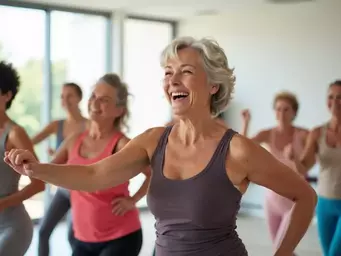 Fitness is not just about the physical; it's also about fostering connections and enhancing mental w
Flexibility Training for Joint Health
![incorporating flexibility training for joint health in midlife]() As we navigate midlife, our bodies undergo numerous changes that can impact our joint health. One su
As we navigate midlife, our bodies undergo numerous changes that can impact our joint health. One su
 As we navigate midlife, our bodies undergo numerous changes that can impact our joint health. One su
Stress, Exercise, and Menopause Effects
![impact of stress on exercise and menopause symptoms]() Did you know that understanding stress can significantly enhance your experience during menopause? T
Did you know that understanding stress can significantly enhance your experience during menopause? T
 Did you know that understanding stress can significantly enhance your experience during menopause? T
Energy-Boosting Exercises for Menopause
![exercises to combat fatigue and boost energy in menopause]() As we navigate the complexities of menopause, understanding the accompanying fatigue is crucial for
As we navigate the complexities of menopause, understanding the accompanying fatigue is crucial for
 As we navigate the complexities of menopause, understanding the accompanying fatigue is crucial for
