Flexibility Training for Joint Health

As we navigate midlife, our bodies undergo numerous changes that can impact our joint health. One surprising fact is that flexibility training isn't just for athletes; it's a crucial practice for everyone looking to maintain an active, fulfilling life during this transformative phase. By embracing flexibility training, we can enhance our well-being and enjoy life to its fullest.
What You Will Learn
- Importance of Flexibility: Flexibility training is essential for maintaining joint lubrication, reducing stiffness, and enhancing overall mobility.
- Age-Related Changes: Hormonal fluctuations during midlife can lead to decreased flexibility and joint stiffness, making flexibility training even more crucial.
- Effective Training Techniques: Incorporating dynamic stretching, static stretching, and low-impact cardio can significantly improve joint mobility.
- Personalized Training Plans: Tailoring your flexibility routine to your specific needs and goals can enhance adherence and effectiveness.
- Warm-Up and Cool-Down Benefits: Proper warm-up and cool-down techniques are vital for injury prevention and recovery in flexibility training.
- Tracking Progress: Monitoring your flexibility journey through various metrics can boost motivation and help you celebrate your achievements.
- Role of Physical Therapy: Engaging with a physical therapist can provide personalized guidance and support, enhancing your flexibility training experience.
Benefits of Flexibility Training for Joint Health
Flexibility training plays a pivotal role in enhancing joint health, especially for midlife women. Below are the key benefits visualized. For more insights on maintaining an energetic lifestyle, consider exploring staying active through midlife changes.
Improves Range of Motion
Enhanced flexibility allows for smoother movement and reduces strain on joints.
Decreases Risk of Injury
Flexible muscles and joints can absorb impact better and prevent injuries during physical activity.
Boosts Recovery
Flexibility routines can speed up muscle recovery post-exercise, helping you feel better faster!
Supports Better Circulation
Increased blood flow from flexibility training helps nourish joints and decrease stiffness.
Understanding the Importance of Flexibility Training for Joint Health in Midlife
As we journey through midlife, it's essential to pay attention to our joint health. Flexibility training becomes an essential ally during this phase, helping us maintain a comfortable range of motion and preventing potential discomfort. I often share with my clients at Empower Midlife Health that staying flexible is not just a luxury; it’s a necessity for living an active and fulfilling life!
Flexibility training is crucial for joint health because it helps keep our joints lubricated and functioning optimally. With the right exercises, we can reduce stiffness, ease discomfort, and enhance our overall physical well-being. For midlife women especially, this is a crucial aspect of managing hormonal changes that can impact joint function.
Why Flexibility Training Matters for Joint Health
Joint health significantly affects our quality of life, and flexibility training plays a key role in maintaining it. As we age, our muscles and connective tissues naturally lose elasticity, which can contribute to joint pain and stiffness. This is why incorporating flexibility routines into our fitness regimen is vital now more than ever!
When we dedicate time to flexibility training, we not only support our joints but also promote better circulation and reduce the risk of injuries. Here are some reasons why flexibility training matters:
- Improves Range of Motion: Enhanced flexibility allows for smoother movement and reduces strain on joints.
- Decreases Risk of Injury: Flexible muscles and joints can absorb impact better and prevent injuries during physical activity.
- Boosts Recovery: Flexibility routines can speed up muscle recovery post-exercise, helping you feel better faster!
Age-Related Changes Affecting Flexibility and Joint Health
During midlife, we experience several age-related changes due to hormonal fluctuations, particularly during menopause. These changes can lead to joint stiffness and a decrease in flexibility, making it increasingly important to focus on our training. Understanding this connection allows us to make informed decisions about our fitness routines, especially when considering hormonal shifts and midlife activity.
For many women, the hormonal shifts experienced during menopause can lead to increased inflammation and decreased bone density, both of which can affect joint health. Let’s look at some key factors:
- Hormonal Changes: Estrogen decline affects joint lubrication, increasing stiffness.
- Reduced Muscle Mass: A decrease in muscle mass can lead to imbalances around joints.
- Increased Risk of Osteoporosis: This condition can significantly impact bone strength and stability.
The Role of Joint Function and Mobility in Aging Gracefully
Maintaining joint function and mobility is fundamental to aging gracefully. It allows us to continue engaging in activities we love, whether that's dancing, hiking, or simply playing with grandchildren. By nurturing our joint health through flexibility training, we can enhance our mobility and enjoy a more vibrant and active lifestyle!
Joint health contributes not only to physical well-being but also to mental health. When we feel good physically, it positively impacts our mood and confidence. Here’s how we can support this journey:
- Stay Active: Regular movement is key to keeping joints healthy and strong.
- Engage in Mindful Practices: Activities like yoga can enhance both flexibility and mental clarity.
- Listen to Your Body: Pay attention to how your body feels and adjust your activities accordingly.
Effective Flexibility Training Techniques for Enhancing Joint Mobility
Now that we understand the importance of flexibility for joint health, let’s dive into some effective training techniques! Implementing these strategies can help you enhance your mobility and support your joints. As a fitness coach, I often encourage my clients to explore various options to find what works best for them.
From dynamic and static stretches to integrating low-impact cardio, there’s a wealth of practices to choose from. Here are some key techniques you might consider:
- Dynamic Stretching: Great for warming up, these stretches prepare your muscles for movement.
- Static Stretching: Ideal for cooling down, static stretches help to relax muscles and improve flexibility.
- Incorporate Cardio: Activities like swimming or cycling promote joint health while allowing for fun!
Incorporating these techniques into your routine can be both enjoyable and rewarding. Let’s embrace this journey toward improved joint health together at Empower Midlife Health! Remember, it's all about celebrating your strength and resilience as you navigate this transformative phase of life.
Quick Summary
Here's a brief recap of the key points discussed so far:
- Flexibility training is essential for maintaining joint health, especially during midlife.
- Age-related changes, including hormonal fluctuations, can lead to decreased flexibility and increased joint stiffness.
- Effective flexibility training techniques include dynamic and static stretching, as well as low-impact cardio activities.
- Creating a personalized flexibility training plan is crucial for meeting individual needs and goals.
Frequently Asked Questions About Flexibility Training and Joint Health
Here are some common questions about flexibility training and its benefits for joint health in midlife:
- Q: Why is flexibility training particularly important for midlife women?
- A: During midlife, women experience hormonal changes (like estrogen decline) that can lead to decreased joint lubrication, stiffness, and reduced bone density. Flexibility training helps counteract these effects, maintaining mobility and reducing discomfort.
- Q: What types of flexibility exercises are most effective?
- A: A combination of dynamic stretching (for warm-ups, like arm circles and leg swings) and static stretching (for cool-downs, holding stretches for 15-30 seconds) is highly effective. Low-impact cardio like swimming or cycling also supports joint health.
- Q: How can I prevent injuries during flexibility training?
- A: Start gently, gradually increase intensity, listen to your body, and avoid over-stretching. Incorporate proper warm-up and cool-down routines, use props for support, and be mindful of existing joint conditions.
- Q: How does flexibility training impact overall well-being beyond joint health?
- A: Beyond physical benefits, flexibility training can improve circulation, boost recovery after exercise, enhance mental clarity, and positively impact mood and confidence by keeping you active and engaged in the activities you love.
- Q: When should I consider physical therapy for flexibility and joint health?
- A: If you're experiencing persistent joint pain, significant stiffness, or recovering from an injury or surgery, consulting a physical therapist is highly recommended. They can provide personalized guidance, tailored exercises, and help you maintain proper body mechanics.
Addressing Common Concerns and Risks in Flexibility Training
When starting any new exercise, especially flexibility training, it's crucial to understand the potential risks involved. Over-stretching can lead to injuries, particularly if proper techniques are not followed. I always remind my clients at Empower Midlife Health to listen to their bodies and pay attention to any discomfort during stretching routines. Here are some important tips to help you avoid injuries:
- Start with gentle stretches and gradually increase intensity.
- Focus on your breathing; it helps you stay relaxed.
- Incorporate props like yoga blocks or straps for support.
- Be cautious with existing joint conditions, such as arthritis—modify stretches as needed.
By taking these precautions, you can enjoy the benefits of flexibility training without the worry of injury. Remember, *patience is key* when it comes to enhancing your flexibility and joint health!
Creating a Personalized Flexibility Training Plan
A one-size-fits-all approach rarely works, especially in flexibility training. To create a personalized plan, consider your individual needs, fitness level, and specific goals. Here's how you can develop a tailored approach:
- Assess your current flexibility and mobility levels; consider keeping a journal.
- Identify areas of stiffness or discomfort that you want to focus on.
- Incorporate a mix of dynamic and static stretches that you enjoy.
- Set realistic, achievable goals—small steps lead to big changes!
At Empower Midlife Health, I often emphasize the importance of making flexibility training enjoyable and functional. This way, you're more likely to stick with it and reap the benefits! You might also find valuable insights on exercise for menopause symptom relief to complement your routine.
Importance of Warm-Up and Cool-Down Techniques
Never underestimate the power of a good warm-up and cool-down! These techniques are essential for preventing injuries and aiding recovery after flexibility training. A proper warm-up prepares your body for exercise, while a cool-down helps it transition back to rest. Here are some effective practices:
- Begin with gentle movements like walking or light jogging for 5-10 minutes.
- Incorporate dynamic stretches during your warm-up, such as arm circles and leg swings.
- After your flexibility routine, slow down with static stretches held for 15-30 seconds.
- Finish with deep breathing exercises to relax and center yourself.
By taking the time for warm-up and cool-down, you'll not only enhance your performance but also support your *joint health* in the long run. Learn more about low-impact workouts for menopause for additional benefits.
Real-Life Applications and Case Studies for Midlife Flexibility Training
Success Stories from Individuals in Midlife
Nothing inspires quite like real-life success stories! Many women in midlife have found that incorporating flexibility training into their routines has significantly improved their joint health and overall well-being. For instance, a client of mine started with simple stretching exercises and soon was able to participate in her favorite activities without discomfort. Here are a few highlights from those journeys:
- Improved range of motion in daily activities, like reaching and bending.
- Reduction in joint pain and stiffness, leading to a more active lifestyle.
- Enhanced mental clarity and emotional well-being from regular movement.
These stories reaffirm my belief that flexibility training is a vital component of wellness during midlife!
Progress Tracking and Measuring Success
Tracking your progress is a fantastic way to stay motivated and recognize how far you've come! Consider using these tools and metrics:
- Range of motion tests to see how much flexibility you've gained.
- Joint pain scales to assess any changes in discomfort levels.
- A journal to document your stretching routines and feelings after each session.
- Photographs to visually capture your flexibility journey over time.
At Empower Midlife Health, I encourage my clients to celebrate every little victory. Each milestone is a step towards improved joint health and a vibrant life!
Role of Physical Therapy and Rehabilitation
If you're struggling with joint health, engaging with a physical therapist can be a game-changer! These professionals can develop personalized flexibility training programs that cater specifically to your needs. Here are a few ways physical therapy can enhance your journey:
- Provide tailored stretches and exercises based on your current abilities.
- Monitor your progress and adjust your plan as needed.
- Educate you on proper body mechanics to prevent injuries.
- Support you through recovery after any injuries or surgeries.
Incorporating physical therapy into your flexibility training can help you achieve *long-lasting results* and promote a greater quality of life. For more on improving bone and joint health, consider workouts for bone health after 50.
Recap of Key Points
Here is a quick recap of the important points discussed in the article:
- Flexibility Training is Essential: It plays a crucial role in maintaining joint health, especially during midlife.
- Age-Related Changes: Hormonal fluctuations and reduced elasticity can lead to stiffness and discomfort, making flexibility training vital.
- Effective Techniques: Incorporate dynamic stretching, static stretching, and low-impact cardio for optimal results.
- Personalized Approach: Tailor your flexibility training plan to your individual needs and goals for better adherence and results.
- Warm-Up and Cool-Down: Always include these techniques to prevent injuries and support recovery.
- Monitor Progress: Track your flexibility improvements and celebrate milestones to stay motivated.
- Consult Professionals: Consider physical therapy for personalized guidance and support in your flexibility journey.

Clara Whitmore
As a passionate advocate for midlife women's health, I specialize in the powerful connection between exercise and menopause management. With a background in exercise physiology and over a decade of fitness coaching, I’m here to empower you to embrace movement as a vital tool for navigating hormonal changes with confidence and strength. My holistic approach combines evidence-based practices with practical strategies, helping you rediscover your vitality during this transformative phase.
Popular Posts
Group Fitness for Midlife Health
![role of group fitness classes in midlife women’s health]() Fitness is not just about the physical; it's also about fostering connections and enhancing mental w
Fitness is not just about the physical; it's also about fostering connections and enhancing mental w
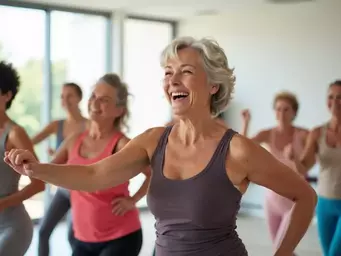 Fitness is not just about the physical; it's also about fostering connections and enhancing mental w
Flexibility Training for Joint Health
![incorporating flexibility training for joint health in midlife]() As we navigate midlife, our bodies undergo numerous changes that can impact our joint health. One su
As we navigate midlife, our bodies undergo numerous changes that can impact our joint health. One su
 As we navigate midlife, our bodies undergo numerous changes that can impact our joint health. One su
Stress, Exercise, and Menopause Effects
![impact of stress on exercise and menopause symptoms]() Did you know that understanding stress can significantly enhance your experience during menopause? T
Did you know that understanding stress can significantly enhance your experience during menopause? T
 Did you know that understanding stress can significantly enhance your experience during menopause? T
Energy-Boosting Exercises for Menopause
![exercises to combat fatigue and boost energy in menopause]() As we navigate the complexities of menopause, understanding the accompanying fatigue is crucial for
As we navigate the complexities of menopause, understanding the accompanying fatigue is crucial for
 As we navigate the complexities of menopause, understanding the accompanying fatigue is crucial for
