Workouts for Bone Health After 50
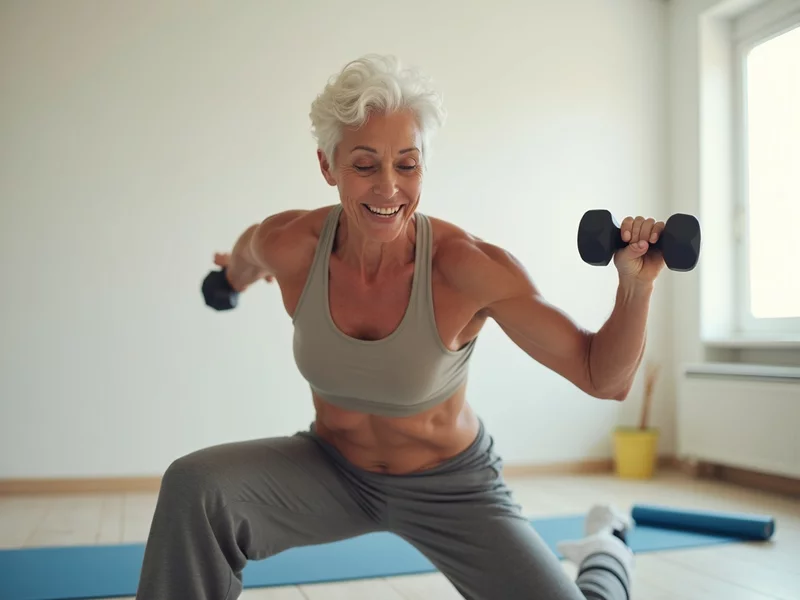
With nearly 20% of women losing bone density within just five to seven years after menopause, understanding and prioritizing bone health after 50 is more crucial than ever. Empower yourself to thrive in midlife by learning how to protect your bones and enhance your overall well-being.
What You Will Learn
- Maintaining bone density is essential for reducing fracture risks and supporting a healthy metabolism.
- Hormonal changes, especially during menopause, significantly affect bone strength and density.
- Understanding conditions like osteoporosis and osteopenia is vital for proactive health management.
- Adapting workouts with low-impact exercises can protect your bones while still promoting fitness.
- Setting realistic fitness goals and tracking progress can enhance your journey to better bone health.
- Engaging with personal trainers who specialize in senior fitness can provide tailored support and motivation.
Bone Density Loss After Menopause
Understanding the impact of menopause on bone density is crucial for women over 50, as significant changes can occur within the first years. Below is a visual representation of the statistics related to bone density loss. To learn more about how hormonal shifts and midlife activity impact your body, explore our detailed guide.
First 5-7 Years Post-Menopause
Women can lose up to 20% of their bone density in this timeframe.
Key Factors Influencing Bone Health
- Hormonal Changes: Decreased estrogen levels lead to accelerated bone loss.
- Active Lifestyle: Regular physical activity can slow bone deterioration.
- Nutrition: Adequate calcium and vitamin D intake is essential.
Osteopenia vs Osteoporosis
Understanding the differences in bone density conditions:
| Condition | Bone Density |
|---|---|
| Osteopenia | Low |
| Osteoporosis | Very low |
Risk Factors for Osteoporosis
- Age: Increases vulnerability to bone loss.
- Hormonal Changes: A significant risk factor.
- Smoking and Alcohol: Negative impact on bone density.
Understanding Why Bone Health Matters After 50
As we journey through life, especially after 50, maintaining our bone health becomes increasingly important. Bones are more than just the framework of our body; they play a crucial role in overall mobility and strength. At Empower Midlife Health, we believe that understanding the significance of bone health empowers women to take proactive steps to strengthen their bodies during this transformative phase.
Strong bones support daily activities, from lifting groceries to enjoying time with family. When we prioritize our bone health, we not only enhance our physical capabilities but also boost our confidence. It’s a powerful reminder that we can thrive in our midlife years with the right knowledge and lifestyle choices!
Importance of Maintaining Bone Density
Bone density is a key factor in overall health, especially for women over 50. As we age, our bodies naturally lose bone mass, which can lead to serious conditions like osteoporosis. This makes it essential to actively maintain our bone density through appropriate exercises and nutrition. For more insights on how to maintain an active lifestyle through midlife changes, read our article on staying active through midlife changes.
- Reduces the risk of fractures: Maintaining bone density helps prevent breaks from falls.
- Supports a healthy metabolism: Strong bones are linked to better metabolic health.
- Enhances balance and coordination: Better bone health contributes to improved physical stability.
By focusing on these aspects, we can empower ourselves to lead active, fulfilling lives. Remember, it’s never too late to start prioritizing your bone health!
How Age Affects Bone Health and Strength
As we age, our bones undergo natural changes that can affect their strength and density. Hormonal shifts, particularly during menopause, contribute significantly to bone loss. Understanding these changes allows us to take proactive measures to combat them.
Women can lose up to 20% of their bone density in the first five to seven years post-menopause! This statistic is a wake-up call, reminding us that we need to be vigilant about our bone health as we age.
- Hormonal changes: Decreased estrogen levels can lead to accelerated bone loss.
- Active lifestyle: Regular physical activity can slow down the aging process of our bones.
- Nutrition: Consuming enough calcium and vitamin D is vital for maintaining bone strength.
By adopting a proactive mindset, we can combat the effects of aging and maintain robust bones that support our lifestyle.
Understanding Osteoporosis and Osteopenia
When discussing bone health, terms like osteoporosis and osteopenia often come up. Osteopenia is a condition where bone density is lower than normal, while osteoporosis is more severe, characterized by fragile bones. Both conditions can significantly affect mobility and quality of life.
Awareness about these conditions is vital. Regular screening and understanding your bone health can lead to proactive measures that help prevent these issues. Here’s a quick overview:
| Condition | Bone Density | Risk Factors |
|---|---|---|
| Osteopenia | Low | Family history, sedentary lifestyle, poor nutrition |
| Osteoporosis | Very low | Age, hormonal changes, smoking, excessive alcohol |
At Empower Midlife Health, we’re committed to educating women about these conditions and providing tailored strategies to promote bone health. Together, we can navigate this journey with knowledge and confidence!
Pro Tip
Did you know? Incorporating weight-bearing exercises into your routine can significantly enhance bone density. Activities such as walking, dancing, and resistance training stimulate bone formation and help prevent bone loss. Aim for at least 30 minutes of weight-bearing activity most days of the week to truly support your bone health!
Safety Tips and Considerations for Exercising After 50
As we age, staying active becomes even more critical, but safety should always come first! Understanding how our bodies respond to exercise helps us make the best choices for our health. Here are some essential considerations to keep in mind when you embark on this journey of movement and strength.
One of the first things to consider is the difference between high-impact and low-impact exercises. High-impact activities, like running or jumping, can place more stress on your joints. On the other hand, low-impact exercises, such as walking or swimming, are gentler and often more suitable for midlife women. Always listen to your body and choose what feels right for you! Additionally, learning about strength training for healthy bones can provide further benefits.
- Start with low-impact activities to assess your comfort level.
- Gradually introduce high-impact workouts, if appropriate.
- Consult a healthcare professional before starting a new regimen.
Modifications for Osteoporosis and Joint Sensitivity
If you’ve been diagnosed with osteoporosis or have sensitive joints, adapting your workouts is crucial. You want to protect your bones while still gaining the benefits of exercise. Simple modifications can make a world of difference in your routine.
For example, consider incorporating the following modifications into your workout:
- Use lighter weights when doing resistance training.
- Focus on controlled movements to minimize impact.
- Incorporate stability exercises to improve balance.
At Empower Midlife Health, we emphasize the importance of adapting exercises to fit your unique needs. It’s all about finding a balance that works for you!
Rehabilitation and Chronic Disease Management Strategies
Your journey to better bone health may involve some challenges, especially if you have existing health conditions. Engaging in rehabilitation exercises can be a game-changer! Working with a professional can help you recover and strengthen your body safely.
Here are some strategies to consider when managing chronic diseases while exercising:
- Set realistic fitness goals tailored to your condition.
- Incorporate regular assessments to track your progress.
- Join support groups for shared experiences and encouragement.
Remember, it's never too late to start! By prioritizing safety and being mindful of your body’s signals, you can enjoy the numerous benefits of exercise while supporting your bone health.
Next Steps for Supporting Your Bone Health Journey
Now that you have the tools and knowledge to support your bone health, it’s time to take action! Beginning a consistent routine is the key to long-lasting results. Embrace this journey with enthusiasm, because every small step makes a big difference!
Finding the right resources can also be incredibly helpful. Local community centers and gyms often offer classes designed for seniors, focusing on strength and balance. You might also want to explore online platforms for workouts that fit your lifestyle. Remember, you’re not alone in this!
Encouragement to Begin a Consistent Routine
Starting a new exercise routine can feel daunting, but I encourage you to take that first step! Set aside time each week dedicated to movement, and watch how your body responds. Whether it’s a brisk walk or a fun dance class, find what you love, and the consistency will follow.
Here are a few tips to help you stay motivated:
- Track your workouts to see your progress.
- Join a friend or family member for added support.
- Celebrate small victories along the way.
Resources for Further Information and Support
As you navigate this exciting journey, you’ll find a wealth of resources available to assist you. From books and online articles to community workshops, there are many ways to deepen your understanding of bone health and exercise.
Consider checking out local health events or meet-ups that focus on midlife wellness. Connecting with others facing similar challenges can provide additional motivation and inspiration. Don’t hesitate to reach out for support; it’s an essential part of the process!
Engaging with Personal Trainers for Seniors
Working with a personal trainer who specializes in senior fitness can be incredibly beneficial. They can help you create a tailored exercise plan that meets your individual needs and encourages you to push your limits safely. At Empower Midlife Health, we believe in the power of personalized guidance, especially during this transformative phase in life. For more detailed insights on how exercise can help relieve menopause symptoms, check out our dedicated article.
Look for trainers who prioritize safety and have experience with midlife clients. Having that expert insight can empower you to make the most of your workouts while focusing on your unique goals. Remember, investing in your health is the best gift you can give yourself!
Frequently Asked Questions About Bone Health After 50
Q: Why is bone health particularly important for women after 50?
A: After menopause, women can lose up to 20% of their bone density within 5-7 years due to decreased estrogen levels. This significantly increases the risk of conditions like osteopenia and osteoporosis, making proactive bone health management crucial for maintaining mobility and reducing fracture risks.
Q: What are the main differences between osteopenia and osteoporosis?
A: Osteopenia refers to lower-than-normal bone density, while osteoporosis is a more severe condition characterized by very low bone density, leading to fragile bones and a higher risk of fractures. Both require attention to prevent further bone loss.
Q: What types of exercises are best for bone health after 50?
A: Weight-bearing exercises like walking, dancing, and resistance training are highly recommended as they stimulate bone formation. Low-impact exercises are often more suitable initially, with gradual introduction of higher-impact activities if appropriate and cleared by a healthcare professional.
Q: How can I safely exercise if I have osteoporosis or sensitive joints?
A: It's crucial to adapt workouts. Use lighter weights for resistance training, focus on controlled movements to minimize impact, and incorporate stability exercises to improve balance. Consulting with a healthcare professional or a personal trainer specializing in senior fitness is highly recommended.
Q: What role does nutrition play in bone health?
A: Adequate intake of calcium and vitamin D is essential for maintaining bone strength and density. These nutrients work together to support bone health by aiding in calcium absorption and bone mineralization.
Recap of Key Points
Here is a quick recap of the important points discussed in the article:
- Prioritize Bone Health: Understanding the importance of bone density can significantly enhance mobility and confidence, especially for women over 50.
- Combat Age-Related Changes: Recognize that hormonal changes post-menopause can lead to rapid bone loss, making proactive measures essential.
- Understand Osteoporosis and Osteopenia: Awareness of these conditions and regular screenings are vital for maintaining bone health.
- Safe Exercise Practices: Engage in low-impact exercises initially and gradually introduce high-impact activities while consulting healthcare professionals.
- Modify Workouts for Safety: Adapt exercises to protect bones, such as using lighter weights and focusing on controlled movements.
- Set Realistic Fitness Goals: Tailor your fitness regimen to accommodate any chronic conditions and celebrate small victories to stay motivated.
- Seek Professional Guidance: Working with personal trainers specializing in senior fitness can provide tailored exercise plans and safety tips.

Clara Whitmore
As a passionate advocate for midlife women's health, I specialize in the powerful connection between exercise and menopause management. With a background in exercise physiology and over a decade of fitness coaching, I’m here to empower you to embrace movement as a vital tool for navigating hormonal changes with confidence and strength. My holistic approach combines evidence-based practices with practical strategies, helping you rediscover your vitality during this transformative phase.
Popular Posts
Group Fitness for Midlife Health
![role of group fitness classes in midlife women’s health]() Fitness is not just about the physical; it's also about fostering connections and enhancing mental w
Fitness is not just about the physical; it's also about fostering connections and enhancing mental w
 Fitness is not just about the physical; it's also about fostering connections and enhancing mental w
Flexibility Training for Joint Health
![incorporating flexibility training for joint health in midlife]() As we navigate midlife, our bodies undergo numerous changes that can impact our joint health. One su
As we navigate midlife, our bodies undergo numerous changes that can impact our joint health. One su
 As we navigate midlife, our bodies undergo numerous changes that can impact our joint health. One su
Stress, Exercise, and Menopause Effects
![impact of stress on exercise and menopause symptoms]() Did you know that understanding stress can significantly enhance your experience during menopause? T
Did you know that understanding stress can significantly enhance your experience during menopause? T
 Did you know that understanding stress can significantly enhance your experience during menopause? T
Energy-Boosting Exercises for Menopause
![exercises to combat fatigue and boost energy in menopause]() As we navigate the complexities of menopause, understanding the accompanying fatigue is crucial for
As we navigate the complexities of menopause, understanding the accompanying fatigue is crucial for
 As we navigate the complexities of menopause, understanding the accompanying fatigue is crucial for
